The Bucket Hat and the Charm of an Unserious Brim
B
BUYIT Journal· Fashion history notes
A bucket hat does not try to look grand. Its crown is soft, its brim slopes downward, and its shape often seems slightly improvised even when neatly made. It shades the face without the drama of a wide-brimmed hat and protects the head without the firmness of a cap. It is practical, portable, and a little awkward.
That awkwardness is part of its fashion appeal. The shape has roots in outdoor and working contexts, including fishing, farming, military, and utility wear. A soft brim could shield from rain or sun, and the hat could be folded, packed, and worn without ceremony. It was not born as a status object.
When this hat enters fashion, it brings that low-status practicality with it. It can make an outfit look less serious. It can soften tailoring, add ease to a dress, or make sportswear feel more intentional. Unlike a fedora or structured felt hat, it does not ask the wearer to perform elegance. It asks whether shade and mood might be enough.
Material changes the hat sharply. Cotton twill keeps it casual and washable. Denim makes it part of everyday clothing. Nylon brings rainwear and outdoor references. Terry cloth feels beachlike. Leather or satin turns the shape into something stranger because the humble silhouette meets a more loaded surface.
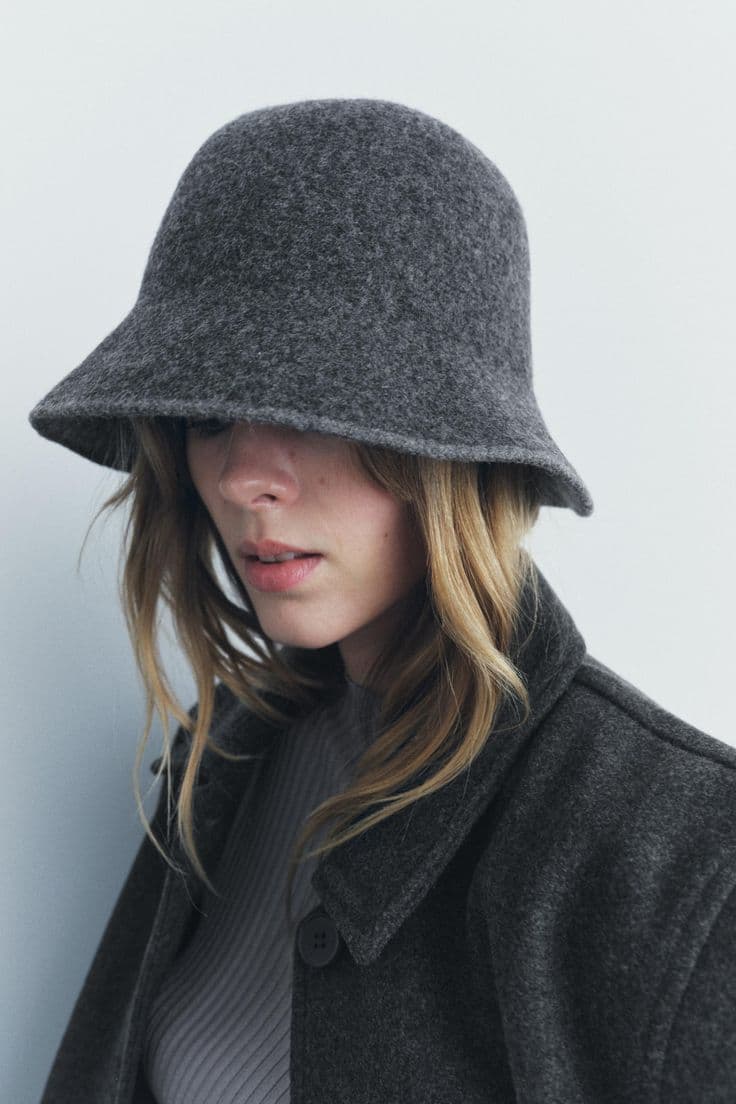
The brim is the key. It frames the face from above and slightly hides the eyes. Not as much as sunglasses, not as directly as a hood, but enough to create privacy. A narrow brim feels sporty. A wider floppy brim feels more relaxed or festival-like. A stiff brim can make the hat graphic, while a soft brim collapses into the wearer's movement.
Modern revivals often connect it to music scenes, streetwear, rave culture, hip-hop, skate, and festival dressing. The shape moves easily through youth style because it is inexpensive in spirit even when made by luxury brands. It is democratic in the simplest sense: anyone can understand it quickly.
That same simplicity makes the design risky. It can look playful, but also childish. It can look practical, but also like an afterthought. Proportion does most of the work. Too small, and it sits awkwardly on the head. Too large, and it becomes costume. The best versions understand the face, hair, and clothing around them.
In styling, the hat works because it interrupts polish. A blazer becomes less formal. A summer dress becomes less precious. A tracksuit becomes more complete. A plain T-shirt and jeans become more like an outfit. The object is small, but it changes the head, and changing the head changes the whole silhouette.
It survives because fashion needs unserious objects. Not everything has to lengthen the body, sharpen the waist, or signal authority. Some garments and accessories are valuable because they make getting dressed feel less rigid. This one brings usefulness, shade, nostalgia, and a bit of humor.
Its charm lies in that refusal of grandeur. It is a hat for weather, for walking, for music, for sun, for not quite wanting to be seen. It gives the face a soft edge and the outfit a less polished rhythm.
The design is also democratic because it can be made in humble materials without losing its point. A cotton version does not look like a poor version of a grander hat. It looks like itself. This gives the shape unusual freedom from the usual hierarchy of millinery.
Its packability matters. A structured hat demands care; a bucket hat can be crushed into a tote, pulled out, and worn with the marks of use. That casual survival is part of the look. The hat belongs to weather, travel, and music festivals because it does not mind being handled.
When luxury brands remake it, they often exaggerate the tension between humble form and expensive surface. Monogram canvas, leather, or technical fabric can make the hat more self-conscious. Sometimes that works because the shape remains relaxed. Sometimes the ease disappears under the logo.
Its face-framing effect is different from a cap's. A baseball cap projects forward and creates a directional shade. A bucket hat surrounds the head more evenly. It makes the wearer look slightly enclosed, less sporty, and often more relaxed. This rounded shade is part of its casual privacy.
Prints can turn the hat quickly. A plain khaki bucket hat feels practical. A floral one becomes holiday-like. A camouflage one returns to utility and military associations. A logo-covered version becomes brand statement. Because the shape is simple, surface design has plenty of room to change the message.
The hat also works across age in a strange way. It can look like a child's sun hat, a fisherman's tool, a festival accessory, or a luxury streetwear piece. That instability keeps it interesting. It refuses to settle into one kind of seriousness.
For cover styling, the scale should be visible. A close crop can show the soft brim and shadow over the eyes; a wider image can show how it changes the whole outfit. The hat may be small, but its effect is strongest when the viewer can see both face and silhouette.
Related articles
June 13, 2026
June 7, 2026
May 22, 2026