Pockets and the Politics of Having Somewhere to Put Things
B
BUYIT Journal· Fashion history notes
A pocket is a small architectural decision with social consequences. It decides whether the body can carry without an extra object. It decides where the hand can rest. It changes the line of a garment. It can be hidden, decorative, deep, fake, secure, useless, or essential. Few details reveal fashion's priorities as clearly.
The history of pockets is especially charged in women's dress. For centuries, separate tie-on pockets, reticules, handbags, and limited built-in storage shaped how women carried objects. Men's garments more consistently developed practical pockets in coats, waistcoats, and trousers. This difference was not merely decorative. It affected mobility, privacy, and independence.
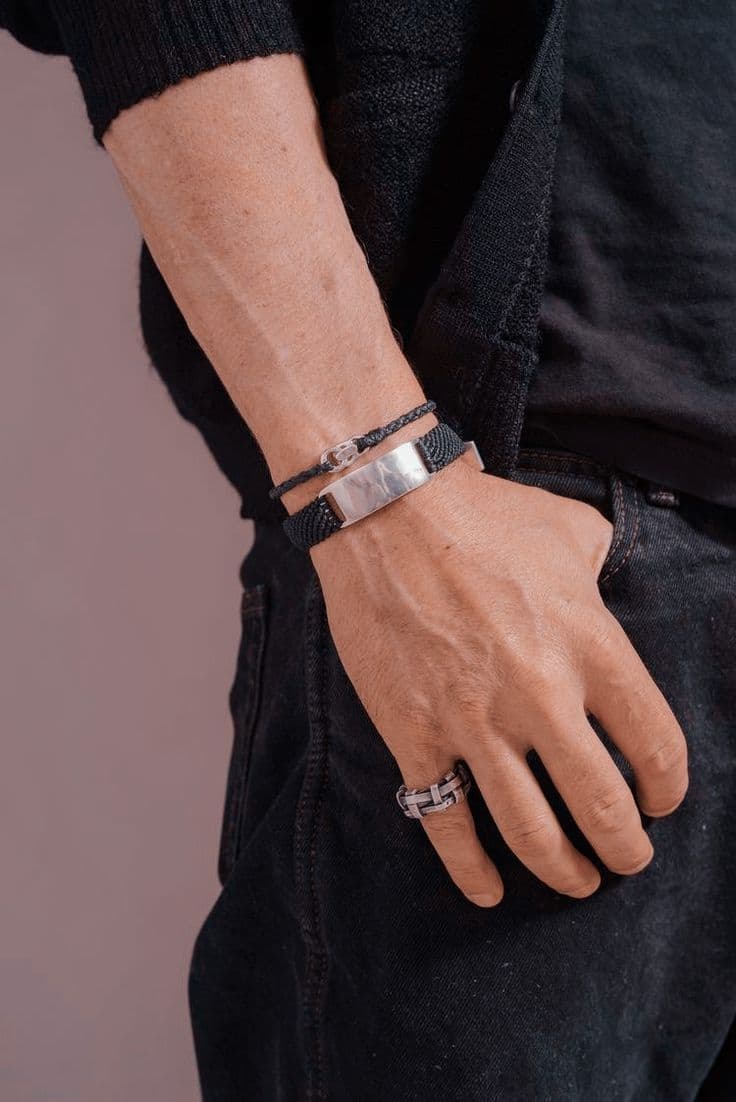
A real pocket gives the wearer a private space attached to the body. It can hold keys, money, notes, tools, a phone, lipstick, or nothing at all. Even empty, it changes posture. Hands in pockets create ease, defiance, nervousness, or confidence depending on context. A garment without pockets removes that option.
The fake pocket is one of fashion's most revealing compromises. It keeps the visual sign of utility while denying the utility itself. A flap may be sewn shut. A welt may lead nowhere. A trouser may have a pocket too shallow for use. The garment wants the clean line or the reference to tailoring, but not the disruption of real carrying.
Designers often remove or shrink pockets because objects add bulk. A phone can distort a slim line. Keys can pull fabric. A wallet can create asymmetry. In closely fitted clothing, a functional pocket may fight the silhouette. The question is larger than whether pockets exist, but what kind of body and behavior the garment expects.
That expectation is gendered, though gender is not the whole story. Formalwear often removes pockets to preserve line. Sportswear adds them for use. Workwear builds entire systems around them. Cargo trousers make pockets visible and numerous, turning storage into style. Evening dresses may hide tiny pockets as a luxury surprise. Tailoring uses pockets to signal tradition even when they are barely used.
The placement of a pocket changes the body. Hip pockets widen or emphasize the lower torso. Chest pockets draw attention upward. Patch pockets add surface and can make a garment more casual. Side-seam pockets disappear until used, then create a gesture. Back pockets affect how trousers frame the seat. Cargo pockets add volume at the thigh.
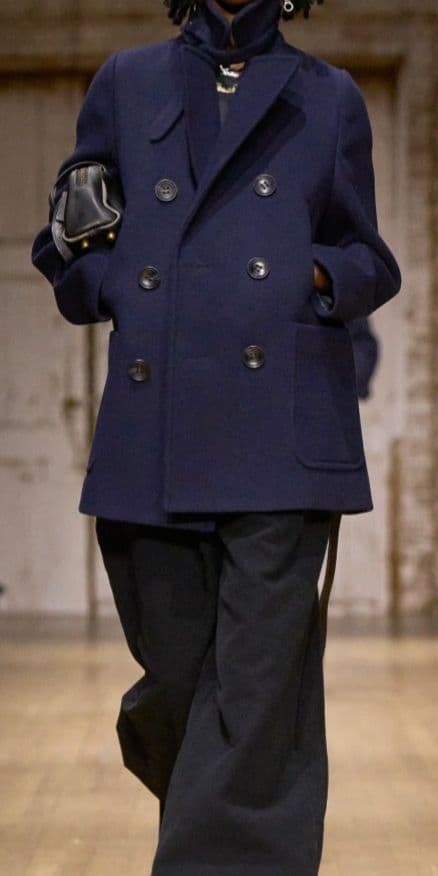
Pockets also affect movement. A deep coat pocket lets the hand rest lower and can make the shoulders relax. Trouser pockets invite a stance with elbows angled. A small pocket requires careful fingers and discourages use. A zip pocket suggests security and travel. A flap pocket suggests weather or work. Each design tells the hand what to do.
Modern frustration with women's pockets is not simply a complaint about convenience. It is a complaint about design priorities. When clothing assumes that the wearer will carry a bag, it transfers storage from garment to accessory. That can be beautiful, but it can also be limiting. The pocket asks whether fashion trusts the wearer to need things.
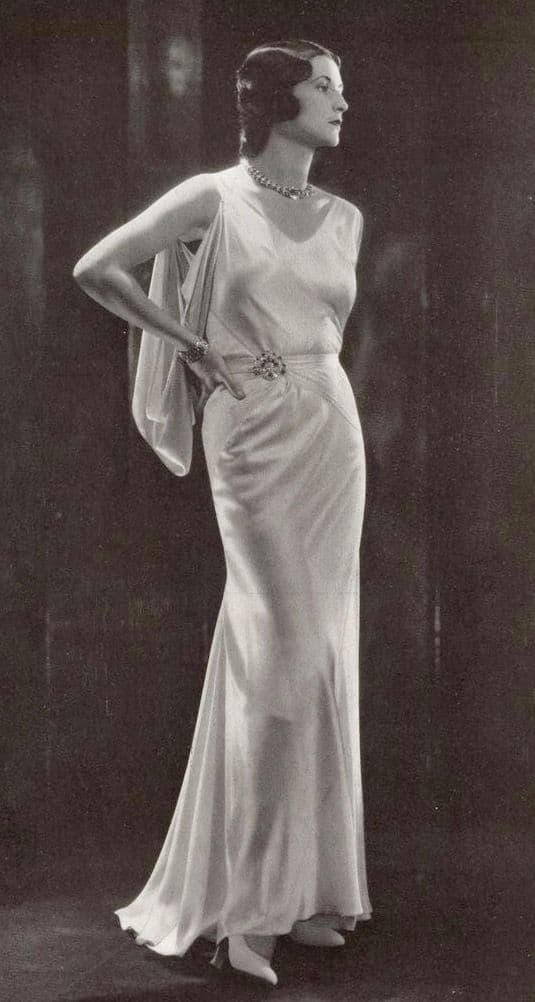
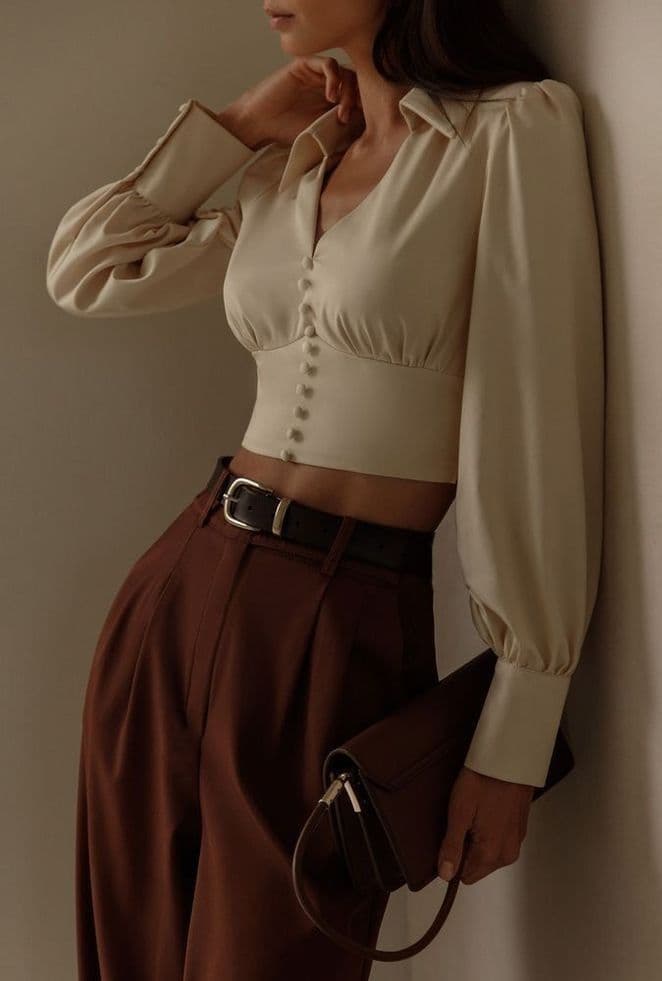
At the same time, not every garment needs large pockets. A bias-cut satin dress may be ruined by them. A sheer blouse cannot hide them. A tight skirt may not support them. The point is not that pockets are always required, but that their absence should be a design decision rather than a lazy inheritance.
In fashion history, pockets reveal changing relationships between body, labor, public space, and privacy. A worker's pocket, a soldier's pocket, a gentleman's waistcoat pocket, a woman's tie-on pocket, a tiny evening bag, a phone-sized coat pocket: each belongs to a different idea of what a person carries and where they are allowed to keep it.
Today, pockets have become part of the conversation about usefulness in clothing. A dress with good pockets often earns delighted comments because it offers a small freedom people notice immediately. That delight shows how low expectations have been. It also shows how satisfying good design can be when it respects ordinary life.
A pocket is small, but it changes the contract between garment and wearer. It says: your hands, your objects, your movement, and your private needs belong in this design. When fashion gets pockets right, the body does not have to choose between looking dressed and carrying a life.
The emotional pleasure of pockets is also worth taking seriously. Finding a pocket in a dress can make the garment feel friendlier. A deep coat pocket can make winter more bearable. A secure inner pocket can change how someone travels. These are small experiences, but clothing is made of small experiences repeated all day.
Pockets also affect photography and posing. Hands in pockets can make a model look relaxed, guarded, confident, or casual. Without pockets, hands must do something else: hold a bag, hang at the sides, touch the garment, or disappear from the frame. The presence of pockets changes how clothing is represented as well as how it is worn.
The phone has made the pocket question sharper. Many older garments were not designed for a flat, expensive rectangle carried everywhere. Modern clothing now has to decide whether to accommodate that object, ignore it, or force it into a bag. A pocket that cannot hold a phone may still be useful, but it no longer answers the dominant carrying problem of daily life.
Related articles
June 6, 2026
June 5, 2026
June 2, 2026
May 30, 2026